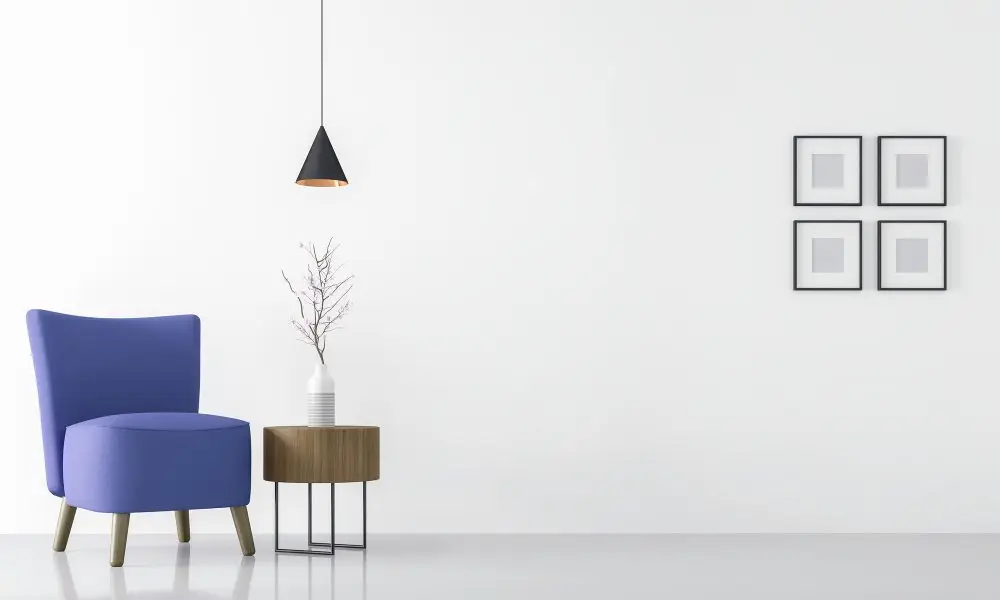
Interior design isn’t just about throwing some throw pillows on a couch and hoping for the best. It’s about crafting a space that’s not only beautiful but also functional and reflects your unique style. But where do you even begin? Don’t worry, design enthusiasts, we’ve got you covered! Here are the key factors for effective interior design:
1. Understanding the Space:
Before you unleash your creativity, take a good long look at the room you’re working with. Consider its size, shape, architectural features, and natural light sources. This will influence your furniture layout, lighting scheme, and overall design approach.
2. Functionality First:
A beautiful space that doesn’t work for your lifestyle isn’t very functional, is it? Think about how you’ll use the room. Do you need a cozy reading nook, a spacious entertaining area, or a productive home office? Design your space to suit your needs and ensure a smooth flow between different areas.
3. The Power of Space Planning:
Space planning is the art of arranging furniture and other elements to maximize functionality and create a comfortable flow. Think about traffic patterns, designated areas for different activities, and how furniture placement can affect the feeling of spaciousness.
4. The Magic of Scale and Proportion:
Ever seen a room where the furniture looks like it swallowed everything whole? Scale and proportion are key! Consider the size of the room when choosing furniture and accessories. A massive sectional sofa might overwhelm a small living room, while a tiny coffee table might get lost in a large space.
5. Color, Texture, and Pattern: The Design Dream Team
This is where you get to unleash your creativity! Choosing a color palette sets the mood of the room. Bold colors make a statement, while lighter shades create a sense of airiness. Texture adds visual interest, while patterns can add personality and pops of color. Learn how to combine these elements for a cohesive and visually pleasing look.
6. Lighting is Everything:
Lighting can transform a space from drab to fab. Layer your lighting with ambient light (think overhead lights), task lighting (think desk lamps), and accent lighting (think strategically placed sconces) to create a warm and inviting atmosphere. Don’t forget the power of natural light!
7. The Finishing Touches:
The final touches are what truly elevate a space. Carefully chosen accessories like artwork, throw pillows, and decorative objects add personality and tell your story. Remember, editing is key! Too much clutter can overwhelm a space.
8. Don’t Forget the Details:
It’s the little things that count! Consider details like hardware, doorknobs, cabinet pulls, and window treatments. These elements can add a touch of polish and tie the whole design together.
9. Comfort is King (or Queen):
A well-designed space should be comfortable and inviting. Choose furniture that’s the right size and scale for the room, and prioritize seating that encourages relaxation and conversation.
10. Reflect Your Style:
Your home should reflect your unique personality and taste. Don’t be afraid to experiment and incorporate pieces that you love, whether it’s a quirky vintage find or a statement piece of modern art.
By considering these key factors, you can transform your space into a beautiful, functional, and truly personal haven. Remember, there are no hard and fast rules – the most important thing is to create a space that makes you feel happy and inspired. So get creative, have fun, and unleash your inner interior design guru!